Is Every Booking a Good Booking? How to Make Sure Each Event Works for Your Venue
Discover how to choose the right events, maximise venue profits, reduce operational pressures and build long-term relationships with organisers.

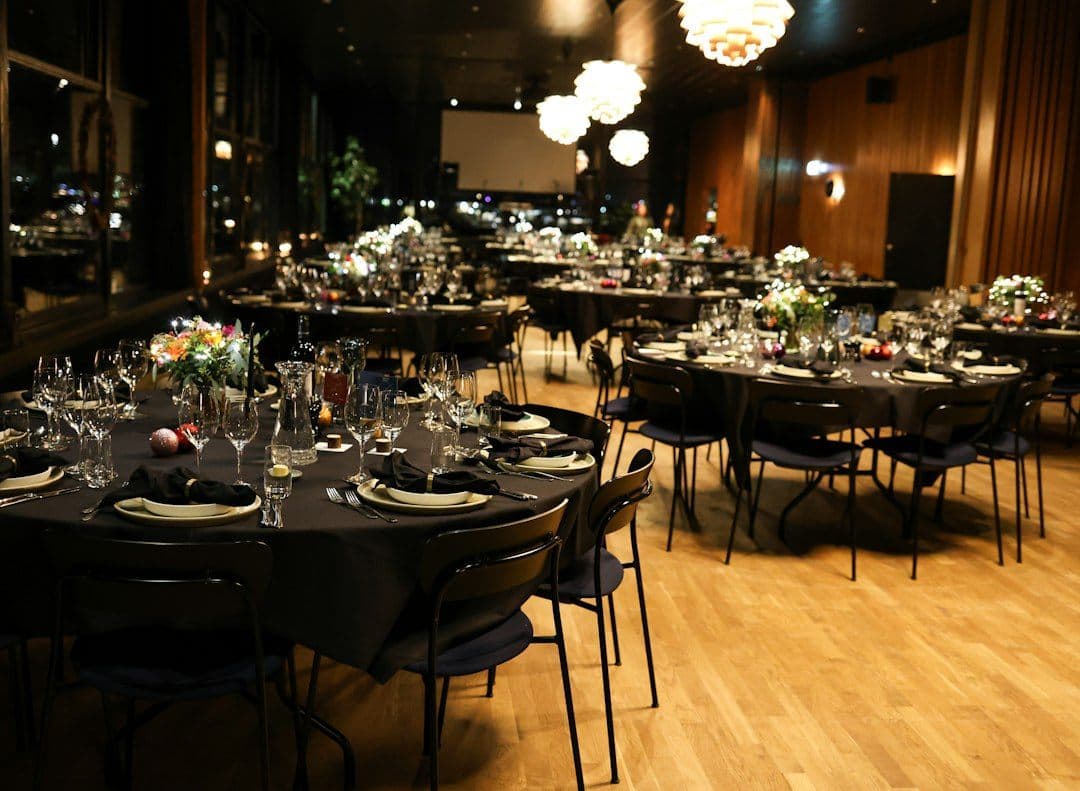
A busy booking calendar might look like a sign of success, but more bookings do not always mean better business.
Some events may bring in a high hire fee but require extra staff, preparation and resources. Others may offer a smaller upfront return while creating opportunities for repeat bookings and long-term relationships.
For venue owners and hosts, the goal should not simply be to fill every available date. It should be to secure events that suit your space, work for your team and contribute to your business.
Here are six things to consider before accepting your next booking.
1. Look Beyond the Booking Fee
A high booking fee does not necessarily mean a profitable event. Consider a private function that requires early access, additional staff, furniture rearrangement and extra cleaning. Once these costs are included, the actual return may be much lower than expected.
The Meetings Industry Association (MIA), in its October 2025 Insight Report, found that 89% of surveyed organisations had experienced rising costs, with an average increase of 12%.
For venue hosts, this highlights the importance of looking beyond the headline hire fee. Before accepting an enquiry, consider the additional costs and resources involved. An event that fits your existing facilities and staffing arrangements may offer better value than a larger booking requiring extensive preparation.
2. Understand the Operational Requirements
Not all events place the same demands on your venue. A daytime workshop may only require tables, chairs and presentation equipment. An evening reception could involve catering, entertainment, extended opening hours and additional cleaning.
Think about the time and effort required before, during and after each event. Will your team have enough time to prepare? Are the necessary facilities available? Could the booking affect another event scheduled for the same day or the following morning?
Understanding these requirements in advance helps you manage your resources, avoid unnecessary pressure on your team and maintain a consistent standard of service.
3. Focus on Events That Suit Your Space
Your venue may have an impressive capacity, but that does not mean it is suitable for every type of event. A room that works perfectly for a seated dinner may not be ideal for a networking event requiring open space and easy movement.
The same applies to AV equipment, accessibility, privacy and noise restrictions. Take time to understand what your venue does best. Perhaps it is particularly suited to corporate workshops, team meetings, private celebrations or smaller networking events.
You do not need to accommodate every type of event. Focusing on the bookings that genuinely suit your space can lead to better experiences for both your guests and your team.
4. Consider the Long-Term Value of Each Booking
Some bookings offer value beyond the initial hire fee.
An organiser who has a successful team meeting at your venue may return for quarterly workshops. An event planner who enjoys working with your team could recommend your space to other clients.
Cvent's 2025 Planner Sourcing Report: Europe Edition found that 93% of surveyed planners were willing to pay more to work with venues where they had established relationships and trusted the quality of service.
This reinforces the importance of building positive relationships with event organisers.
A successful event can lead to repeat business, recommendations and valuable long-term connections. While every booking should make commercial sense, it is worth considering the opportunities it could create beyond a single event.
5. Make Sure Your Venue Information Is Accurate
Before you can attract the right bookings, organisers need to understand what your venue can offer.
Providing accurate and detailed information makes it easier to identify suitable opportunities and helps avoid misunderstandings later.
Make sure your venue profile includes:
Capacity and layouts: Maximum guest numbers and available event configurations.
Facilities and equipment: AV equipment, furniture, catering facilities and other amenities.
Operating conditions: Available hours, access arrangements and set-up requirements.
Venue features: What makes your space distinctive, including its location, atmosphere and design.
Additional requirements: Staffing arrangements, access restrictions, noise policies and other important conditions.
Be clear about both your venue's strengths and its limitations. Accurate information helps set realistic expectations and makes it easier to match your space with the right event.
6. Connect Your Venue with Suitable Event Opportunities
Finding the right bookings does not have to mean searching for organisers and managing every enquiry yourself.
SpaceBiz offers a concierge-led matching service that connects event organisers with suitable venues.
Hosts can register their venues in advance, providing information about their space, facilities and operating conditions. When an organiser submits an event brief, the SpaceBiz concierge team reviews the requirements and identifies venues that could be a suitable match.
Where there is a potential fit, SpaceBiz helps connect the organiser with the venue host to explore the opportunity further.
Registering your venue means your space can be considered when relevant enquiries arise. While registration does not guarantee bookings, it gives your venue the opportunity to be discovered by organisers looking for spaces with the right features and facilities.
References
1. Meetings Industry Association (2025). MIA Insight Report: Cost Pressures and Workforce Challenges. Read the report
2. Cvent (2024). 2025 Cvent Planner Sourcing Report: Europe Edition. Read the report