Plan Your Dream Private Wedding Reception on a Budget
Plan your dream private wedding reception on a budget with our essential guide. Discover tips on venue hire, catering, styling, and more for an unforgettable


Planning a Private Wedding Reception Without Overspending
Planning a wedding does not have to mean booking a grand ballroom or stretching your budget for a large-scale celebration. For many couples in the UK, a private wedding reception offers a more intimate and personal way to mark the occasion while keeping costs under control. The right venue can provide the setting for a memorable celebration without the expense associated with traditional wedding venues.
With the average UK wedding costing £20,604 in 2026, according to Bridebook, smaller celebrations can offer a practical way to prioritise what matters most. This guide explores how to find a private wedding reception venue hire that suits both your vision and your budget, from choosing the right space to understanding what is included in the hire fee.
1. Guest List and Venue Capacity
Your guest list is more than a list of names – it is one of the biggest factors shaping your wedding reception budget. Every additional guest can affect venue size, catering, drinks and staffing, so deciding who you genuinely want to share the celebration with can have a meaningful impact on your overall costs.
Define your core guest list: Prioritise close family, friends and other people who are integral to your lives.
Consider your reception size: Think carefully about who needs to attend the reception and whether your guest list can be kept intentionally small.
Account for additional guests: Remember to factor in plus-ones and children where applicable.
Match the venue to your numbers: Avoid paying for a large space that will feel empty or choosing a venue that leaves guests feeling cramped.
Consider the overall experience: A smaller celebration can create more opportunities for meaningful conversations and interaction.
A smaller guest list can also open up a wider range of intimate wedding venues and private dining spaces. Rather than viewing fewer guests simply as a way to reduce costs, consider how a more personal reception could improve the experience for everyone attending.
2. Choosing a Private Wedding Venue
A wedding reception does not need to take place in a traditional ballroom to feel special. Moving beyond conventional wedding venues can give couples access to more distinctive spaces, greater flexibility and potentially lower hire costs.
Explore different venue types: Consider restaurants with private dining rooms, creative studios, community halls and independent event spaces.
Look for flexible spaces: A venue that can adapt to your guest numbers, layout and event style may offer better value.
Check external supplier policies: Find out whether you can bring your own caterer, decorator, entertainment or other suppliers.
Consider smaller venues: Intimate wedding venues can offer character and exclusivity without the scale or cost of a large wedding venue.
Prioritise what matters: Focus your budget on features that will genuinely contribute to your reception rather than paying for facilities you will not use.
The most affordable wedding venue is not necessarily the one with the lowest advertised price. Look for a space that gives you the right combination of atmosphere, facilities and flexibility for your particular celebration.
Understanding Wedding Venue Hire
The way a venue charges for hire can be just as important as the headline price. An all-inclusive package may appear convenient, but a more flexible hourly or dry-hire model could offer better control if you only need the space for a short reception.
All-inclusive packages: These may combine venue hire, catering, staffing and other services, making costs easier to manage but potentially including things you do not need.
Hourly hire: Useful for shorter receptions where you want to pay primarily for the time you actually use.
Full-day hire: More suitable for longer celebrations or when substantial setup and breakdown time is required.
Check the inclusions: Clarify whether tables, chairs, lighting, staffing, cleaning and other facilities are included.
Compare like for like: A cheaper hire fee may not represent better value if essential services are charged separately.
Understanding the hire model early allows you to compare venues based on their total cost and flexibility, rather than being guided by the initial hire price alone.
3. Wedding Catering and Drinks
Food and drink are often among the most memorable parts of a wedding reception, but they do not necessarily require an elaborate package. The key is to choose a format that suits the atmosphere you want while avoiding unnecessary extras that add to the bill.
Consider alternative dining formats: Buffets, canapés and food stations can be more flexible than a formal multi-course meal.
Explore set menus: Restaurants and private dining spaces may offer fixed menus that provide predictable per-person costs.
Review dietary options: Make sure vegetarian, vegan, gluten-free and allergy-friendly choices are available where needed.
Keep drinks focused: A selection of wine, beer and soft drinks can be more economical than a full open bar.
Consider a signature drink: One carefully chosen cocktail can add a personal touch without requiring an extensive drinks menu.
Check BYO policies: Some venues allow couples to bring their own alcohol, although corkage fees may apply.
The goal is not to make food and drink feel limited, but to spend intentionally on the elements your guests will actually enjoy and remember.
4. Wedding Reception Styling
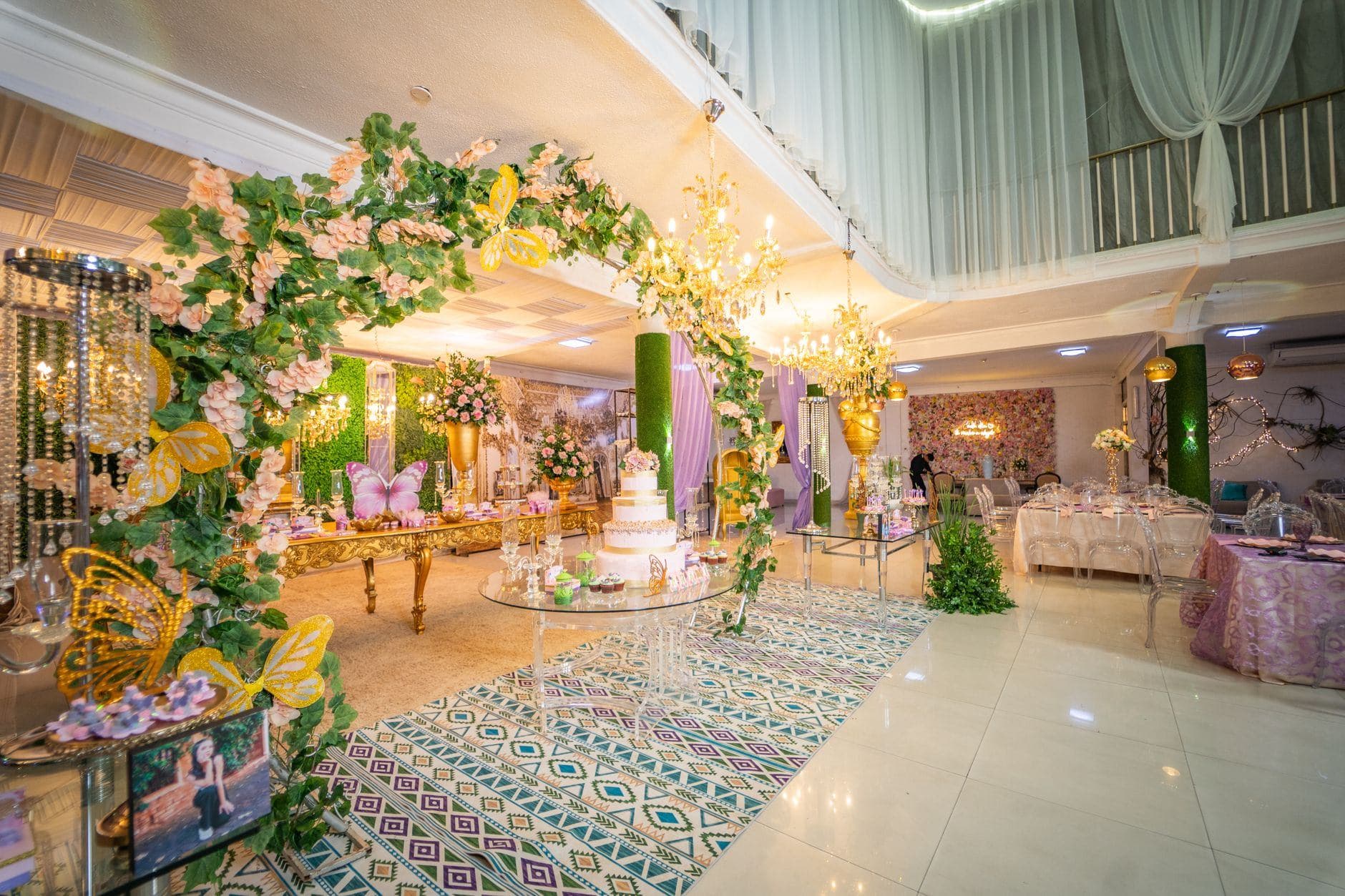
A memorable reception does not always require extensive decoration. Choosing a venue with attractive existing character can reduce the amount of styling needed while giving you a stronger starting point for your design.
Work with the venue: Choose a space whose existing architecture, interiors or character already fits your aesthetic.
Use seasonal flowers: Seasonal blooms and greenery can create an elegant look without the cost of highly specific floral arrangements.
Keep table styling simple: Candles, small bud vases and understated table settings can create atmosphere without elaborate centrepieces.
Consider DIY details: Personalised signage, place cards or handmade favours can add character while keeping costs manageable.
Think about the layout: Table arrangements can influence how easily guests mingle and move around the reception.
Use lighting strategically: String lights, candles or simple uplighting can dramatically change the atmosphere without requiring a complex lighting setup.
Rather than trying to decorate every part of the venue, identify the two or three visual elements that will have the biggest impact and concentrate your budget there.
5. Wedding Entertainment and Photography
Entertainment and photography can quickly become significant expenses, particularly when traditional wedding packages are involved. For a smaller private reception, however, there are ways to create an enjoyable atmosphere and preserve important memories without paying for services you may not need throughout the entire event.
Consider a DJ: A skilled DJ can provide a broad range of music and may cost less than a live band.
Create a curated playlist: For smaller or more relaxed receptions, a carefully prepared playlist can provide a personal soundtrack.
Book photography selectively: Consider hiring a professional photographer for key moments rather than the entire reception.
Encourage guest photography: A shared album or dedicated hashtag can help collect informal photos from friends and family.
Check the venue's lighting: Good natural light or suitable ambient lighting can make a significant difference to photographs, particularly in unconventional spaces.
Being selective does not mean missing out. It allows you to direct your budget towards the entertainment and memories that matter most to you.
6. Transport and Hidden Venue Costs
The advertised venue price is rarely the full picture. Transport, cleaning, overtime and supplier charges can all affect the final cost, particularly when hiring a less traditional wedding reception venue.
Consider public transport: Check how easily guests can reach the venue by train, bus or other public transport.
Review parking: If guests are likely to drive, find out about nearby parking and any associated costs.
Plan additional transport: For less accessible locations, consider whether taxis, ride-sharing or a shuttle service may be necessary.
Ask about service charges: Check whether staffing or service fees are included in the quoted price.
Check cleaning fees: Some venues charge separately for post-event cleaning.
Confirm overtime costs: Find out what happens if your reception or setup runs beyond the agreed hire period.
Review supplier fees: Ask about corkage, external caterer charges, security deposits or other mandatory costs.
A venue that looks inexpensive at first can become considerably more expensive once additional charges are added. Always assess the total cost of the reception, not just the initial venue quote.
7. Wedding Reception Budget Planning
A wedding budget works best when it reflects your priorities rather than following a fixed formula. Once you know what matters most – whether that is food, the venue, photography or creating a particular atmosphere – you can decide where to spend more and where to make practical compromises.
Start with your total available budget and divide it across the elements that are essential to your reception:
Venue hire: Set an estimated budget based on your preferred location, size and hire model.
Catering: Calculate the expected cost per person based on your chosen menu or catering format.
Drinks: Allow for your selected drinks package, individual purchases or BYO costs.
Decorations and styling: Set a clear limit for flowers, table styling, signage and other decorative details.
Entertainment: Include DJ, live music, equipment or other entertainment costs.
Photography: Consider either an hourly rate or a shorter photography package.
Attire: Account for the dress, suit, shoes, accessories and alterations where relevant.
Transport and miscellaneous costs: Include travel, stationery, favours and other smaller expenses.
Contingency: Keep around 10–15% of your budget aside for unexpected costs.
Your budget should be a planning tool rather than a restriction. If one priority costs more than expected, look for flexibility elsewhere instead of compromising on the elements that are most important to your celebration.
Advantages and Limitations of Different Venue Types
Venue Type | Advantages | Limitations |
|---|---|---|
Traditional Wedding Venues | Complete packages, polished setting and a strong sense of occasion | Often more expensive, with less flexibility around suppliers, timings and customisation |
Private Event Spaces | Flexible for catering, layouts and styling; often suitable for personalised celebrations | Furniture, linens and other essentials may need to be hired separately |
Restaurants & Private Dining Rooms | Ready-made atmosphere, professional catering and dedicated service; ideal for intimate receptions | Usually more limited in capacity, décor and entertainment options |
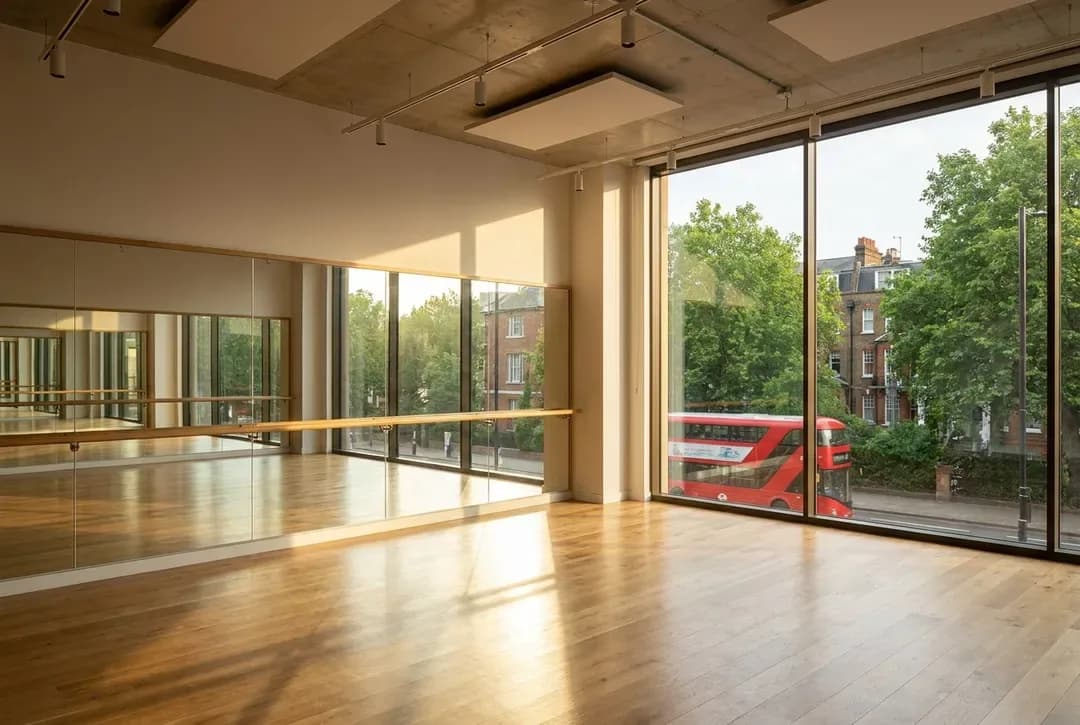
Studios & Creative Spaces | Unique and contemporary settings with greater freedom over suppliers and styling | Often a blank canvas, meaning additional furniture, décor and equipment may be required |
Community & Independent Venues | Often affordable, flexible and full of character; can offer excellent value | Facilities may be basic, aesthetics less polished, and noise or closing-time restrictions may apply |
Your Personalised Celebration Awaits
A memorable wedding reception is not defined by how much you spend, but by how well the space and celebration reflect what matters to you. Choosing a private venue gives you the freedom to create a more personal experience – from the guest list and setting to the food, styling and atmosphere – while keeping your budget firmly in your hands.
With thoughtful planning and a willingness to look beyond traditional wedding venues, an intimate reception can be both beautiful and affordable. Focus on the moments you want to remember, choose a space that supports your vision, and let the celebration feel genuinely yours. After all, the best wedding receptions are not necessarily the most extravagant, but the ones that feel most meaningful to the people in the room.
Frequently Asked Questions
What is considered a small wedding venue?
A small wedding venue typically accommodates fewer than 50 guests, offering an intimate setting that feels personal and cosy. These venues often include private dining rooms in restaurants, boutique hotels, or smaller, dedicated event spaces.
How can I save money on wedding catering?
Savings can be achieved by opting for a buffet or canapés instead of a formal sit-down meal, choosing a limited drinks package, or exploring venues that allow you to bring your own alcohol (with corkage). Seasonal menus and less elaborate dishes also contribute to lower costs.
Are there hidden costs in wedding venue hire?
Yes, potential hidden costs can include service charges, cleaning fees, overtime fees, mandatory supplier charges (e.g., in-house security or AV), and charges for specific room layouts or furniture. Always request a comprehensive list of all potential charges.