Hourly Venue Hire: How to Choose the Right Space for Your Needs
Discover the flexibility of hourly venue hire for meetings, workshops, photoshoots, and more. Learn when it makes sense and what to check before booking in the

What Is Hourly Venue Hire?
Not every event needs a venue for an entire day. A one-hour meeting, two-hour class or three-hour workshop can make a full-day booking feel unnecessarily restrictive, especially when the space sits unused for most of the hire period. Hourly venue hire offers a more flexible approach, allowing you to match the booking length to the activity itself rather than fitting your plans around a fixed rental block.
This approach also reflects the wider shift towards flexible space use. CBRE's 2026 UK research expects flexible solutions to account for 29% of corporate property portfolios by 2029, up from 21% in 2025, with paying for active use and greater flexibility among the key drivers. For individuals and smaller organisations, hourly space hire applies the same principle on a much smaller scale: booking only the space and time needed for the task at hand.
When Does Hourly Hire Make Sense?
Hourly space hire works best when you have a specific activity with a clear start and finish. It can be a practical choice for client consultations, interviews, short rehearsals or quick photoshoots, particularly when booking a half or full day would leave the space unused. It also makes it easier to fit venue use around busy schedules without committing to a longer booking period.
It can also suit recurring activities that only require a few hours at a time, such as weekly classes, team meetings or community sessions. The key is to consider how long you actually need the space, rather than assuming a longer booking automatically offers better value.
Hourly vs. Half-Day vs. Full-Day Hire
The right booking length depends on how long you actually need the space, including setup and pack-down time. Use the table below as a guide rather than a fixed rule, as venue policies and hire periods can vary.
Hire Period | Typical Duration | Suitable For | Key Consideration |
|---|---|---|---|
1–2 hours | Short session | Meetings, interviews, rehearsals, consultations | Best when the activity has a clear start and finish |
3–4 hours | Extended session | Workshops, classes, brainstorming, networking | Allows more time without committing to a full day |
Half-day | Around 4–5 hours | Training, small events, parties | Useful when setup and activity time require several hours |
Full-day | Around 8+ hours | Conferences, productions, larger events | Better suited to events requiring extensive setup or ongoing access |
Hourly venue hire can be efficient when you only need a space for a short, defined period, but it is not automatically the cheapest option. If setup, pack-down or multiple sessions extend your required booking time, a half-day or full-day rate may offer better overall value.
Where Hourly Venue Hire Works Best
Hourly venue hire can suit far more than short business meetings. From dance rehearsals and training sessions to private parties and photoshoots, many activities only require a dedicated space for a few hours rather than an entire day.
The right hire period depends on how the space will be used, not simply on the type of activity. The following examples show how different groups can make the most of short-term venue hire while allowing enough time for the practical requirements of each session.
1. Meeting Rooms for Short Business Sessions
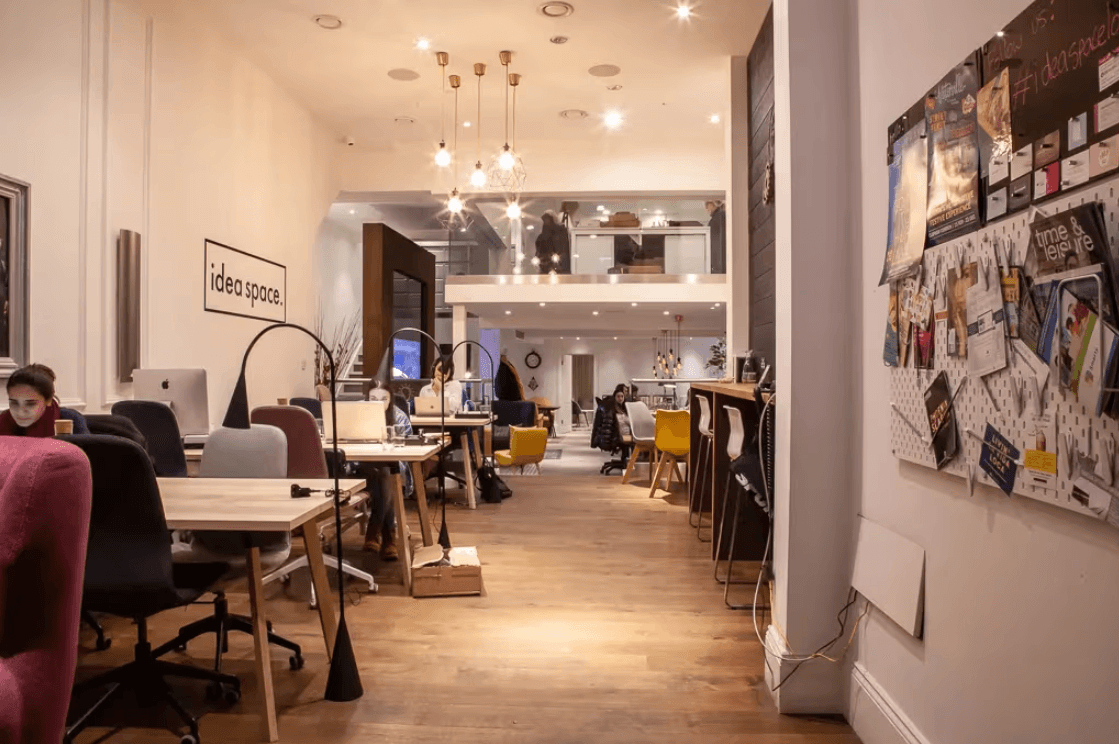
Hourly meeting room hire is well suited to business activities with a clear and limited timeframe. Client meetings, interviews and focused team discussions often only require an hour or two, making room hire by the hour a practical alternative to booking a larger space for half a day.
It can also be useful for businesses that need a professional meeting space occasionally rather than maintaining a permanent office. With the right facilities, an hourly meeting room can provide a private setting for interviews, presentations or project meetings while fitting easily around a busy schedule.
2. Studios for Dance and Creative Activities
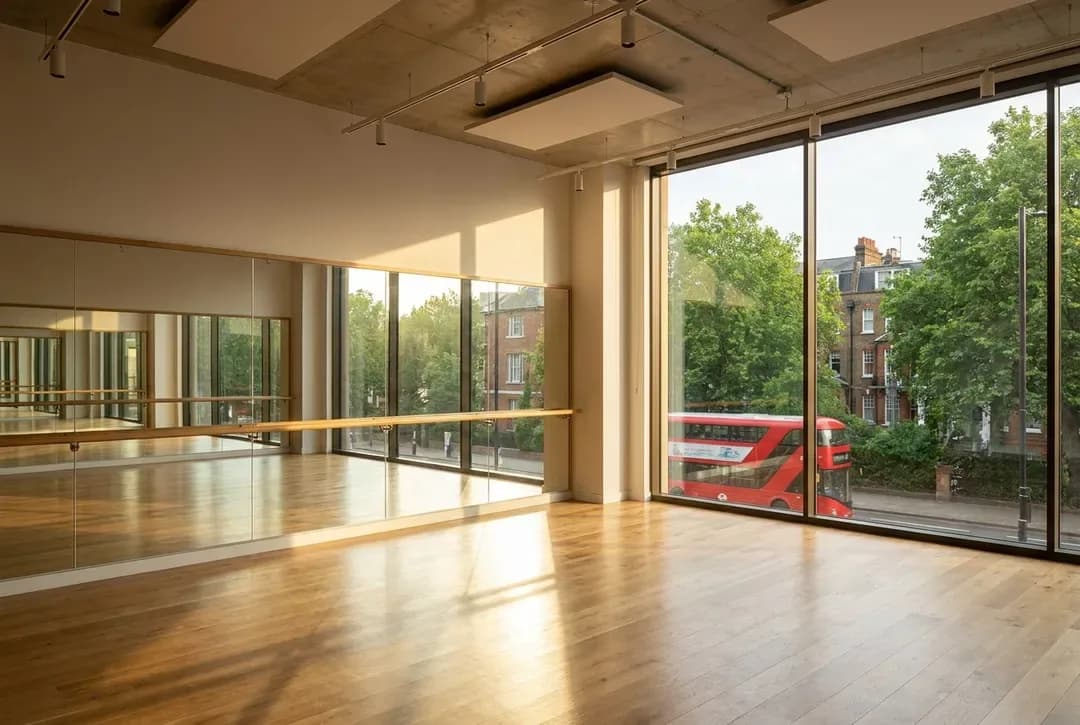
Dance classes and rehearsals often follow a defined schedule, making hourly studio hire a natural fit. Instructors may need a studio for a regular class, while dancers and performers may only require a few hours to rehearse choreography or prepare for a performance.
The same approach can work for other creative activities, including acting workshops, music practice, podcast recording and content creation. When choosing a studio, consider the space, flooring, mirrors, sound equipment and access time to ensure the booking covers both the session itself and any preparation required.
3. Workshops, Parties, and Small Events
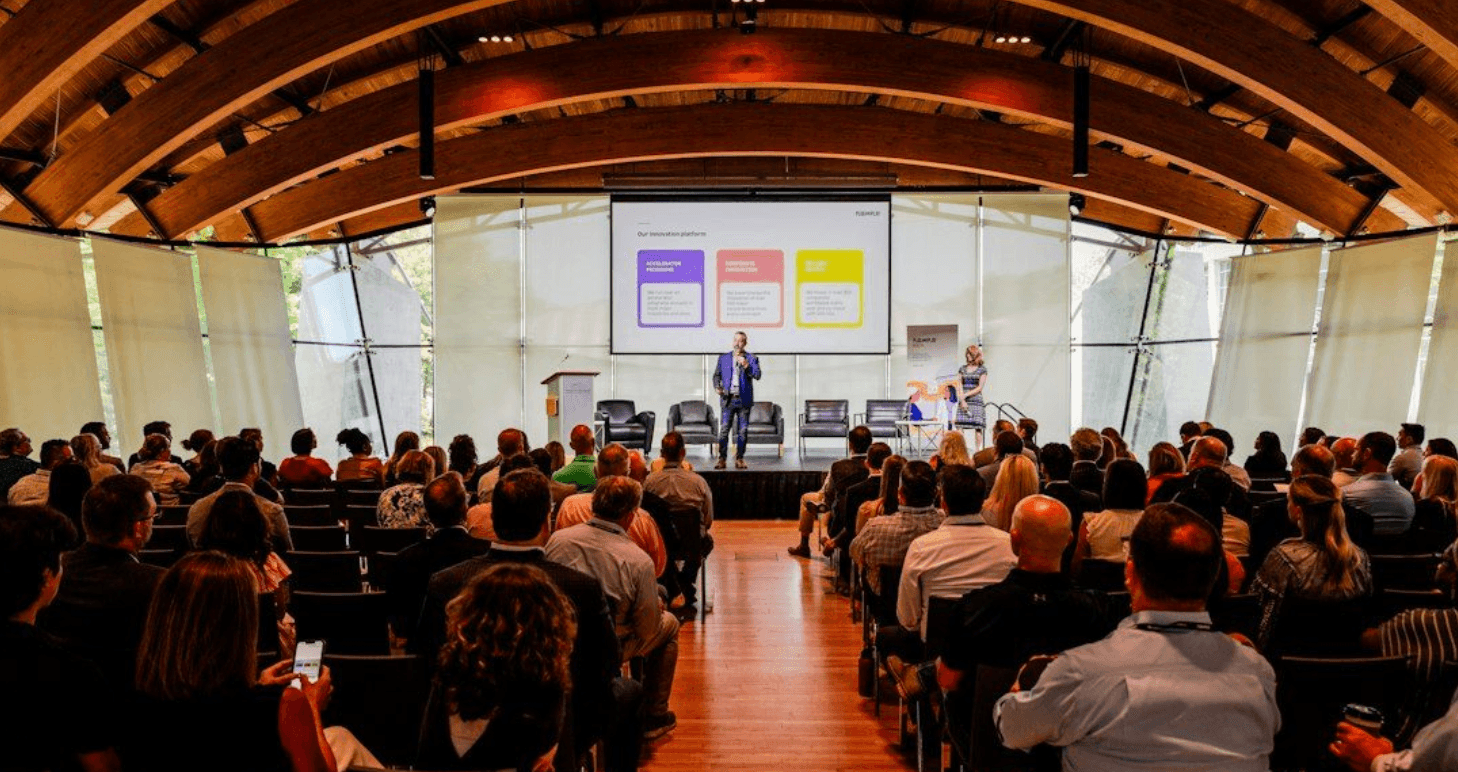
When planning workshops or training sessions, the duration often dictates the booking length. A highly specialised, short-duration workshop might only require 2-3 hours of dedicated space, making hourly hire the most economical choice. However, for more comprehensive training programmes or workshops that involve practical exercises and Q&A sessions, a 3-4 hour slot or a half-day booking might be more appropriate to allow participants ample time to absorb the material and engage fully. This ensures the learning environment is conducive and unhurried.
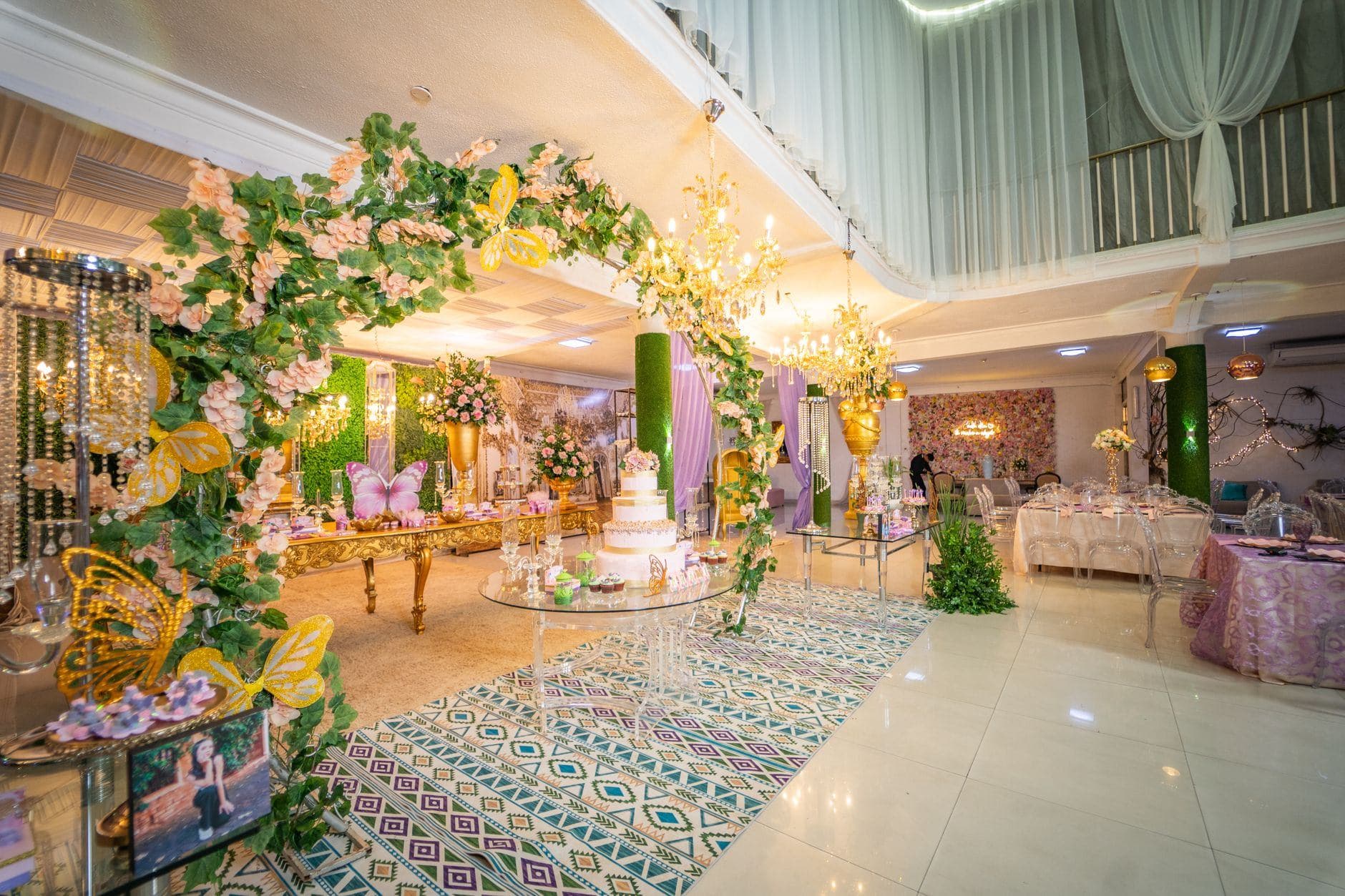
Small social gatherings, such as birthday parties for children, intimate networking events, or community group meet-ups, can also be well-catered for with hourly or half-day bookings. A 3-4 hour window is often sufficient for a children's party, allowing for games, food, and cake without the need for a full day's supervision or rental cost. Similarly, a networking event designed for focused mingling and introductions can effectively take place within a 2-3 hour timeframe, providing value without unnecessary expense.
4. Photoshoots and Content Creation
For photographers, videographers, and content creators, hourly venue hire can be a highly efficient way to secure a specific backdrop or studio environment. Whether it's for a product shoot, a fashion editorial, or a short promotional video, booking a space for a few hours allows teams to focus on capturing the required content without the financial burden of a full-day rental. This flexibility is particularly valuable for independent creators or small businesses working with tight budgets.
It is essential, however, to realistically assess the total time needed. While the 'shooting' might only take a couple of hours, the process often involves significant setup time for lighting, backdrops, and equipment. Changing outfits or props between shots also consumes valuable time. Therefore, when considering hourly hire for photoshoots or content creation, it's prudent to factor in ample time for preparation and adjustments to avoid exceeding the booked slot and incurring potential overtime charges.
Planning the Time You Actually Need
A common oversight when booking venue space, especially on an hourly basis, is failing to account for essential setup and pack-down periods. The duration of your actual activity is not always synonymous with the total time you need access to the venue. For instance, setting up chairs and tables for a small event, arranging specific room layouts for a workshop, or preparing technical equipment for a presentation can easily consume 30 minutes to an hour before guests even arrive.
Similarly, after the event concludes, time is required for clearing away decorations, packing equipment, ensuring the space is left tidy, and potentially disposing of waste. Consider a scenario where you need a room for a 2-hour presentation. If setup takes 30 minutes beforehand and pack-down requires another 30 minutes afterwards, your actual requirement escalates to 3 hours. Always clarify with the venue whether setup and pack-down times are included within the hourly hire period or if they incur additional charges.
When a Full-Day Booking Makes More Sense
Hourly hire works well for activities with a clear schedule, but a full-day booking can be more practical when an event requires extensive preparation or a more flexible timetable. Weddings, conferences, exhibitions and productions may need several hours for setup, supplier access, technical checks and pack-down, making a longer booking more convenient.
Cost is another factor to consider. If you need several hourly sessions across the same day, the combined cost may exceed a venue's full-day rate. Compare the total hire time and rates available rather than assuming the shortest booking will always offer the best value.
What to Check Before Booking
Before booking, check the venue's terms carefully. Small differences in booking rules can affect both your schedule and the final cost, particularly when hiring a space by the hour.
Minimum hire: Check whether the venue has a minimum booking period.
Access times: Confirm when you can enter for setup and when you must leave.
Setup and pack-down: Find out whether this time is included in your booking or charged separately.
Equipment and facilities: Check that essentials such as Wi-Fi, projectors, sound systems or kitchen facilities are available and included.
Cleaning: Clarify whether basic cleaning is expected or included in the hire.
Overtime: Ask about additional charges if you need to stay beyond your booked time.
Cancellation: Review the cancellation and refund policy before confirming.
Restrictions: Check any noise limits and rules around external suppliers, catering or decorations.
Find the Right Space for the Time You Need
Choosing the right venue is less about booking for the shortest possible time and more about matching the space to how you will actually use it. Consider your activity, setup and pack-down requirements, and how much flexibility your schedule needs before deciding between hourly, half-day or full-day hire.
For shorter, clearly defined activities, hourly venue hire can offer the flexibility to book only the time you need. If you're looking for spaces available for shorter periods, SpaceBiz makes it easier to explore flexible venue options suited to your activity and schedule.
Frequently Asked Questions
What are the key benefits of hourly venue hire compared to longer bookings?
Hourly venue hire offers maximum flexibility and cost-efficiency for short, specific tasks, ensuring you only pay for the time you need. It allows you to avoid paying for unused hours, which can be a common issue with half-day or full-day bookings if your activity finishes early.
When should I consider a full-day venue hire instead of hourly?
Full-day hire is generally better for events requiring extensive setup, such as weddings or large conferences, or when you need ample time for coordination and a relaxed pace. It can also be more cost-effective if the cumulative cost of multiple hourly bookings exceeds the flat rate for a full day.
What essential checks should I perform before booking a venue by the hour?
Before booking, always confirm the minimum hire duration, understand the venue's policy on setup and pack-down times (whether they are included or charged extra), clarify access and exit times, check the availability of necessary equipment like Wi-Fi and projectors, and review the cleaning requirements and cancellation terms.
Can hourly hire accommodate recurring events like classes or team meetings?
Yes, hourly hire is ideal for recurring short sessions, such as weekly classes, regular team stand-ups, or ongoing workshops. It provides consistent access to a suitable space without the commitment of a long-term rental contract.
How do I ensure I allocate enough time for setup and pack-down with hourly bookings?
Realistically assess the time needed for setting up equipment, arranging the space, and for packing down afterwards. If your core activity is two hours but setup and pack-down take an hour combined, you should book for three hours. Always clarify with the venue if these times are included in the hourly rate or incur additional charges.