Flexible Working & Workspace Branding: Making the Office Worth the Journey
Discover how flexible working is reshaping UK workplaces, shifting focus from aesthetics to experience. Find purpose-driven spaces with SpaceBiz.

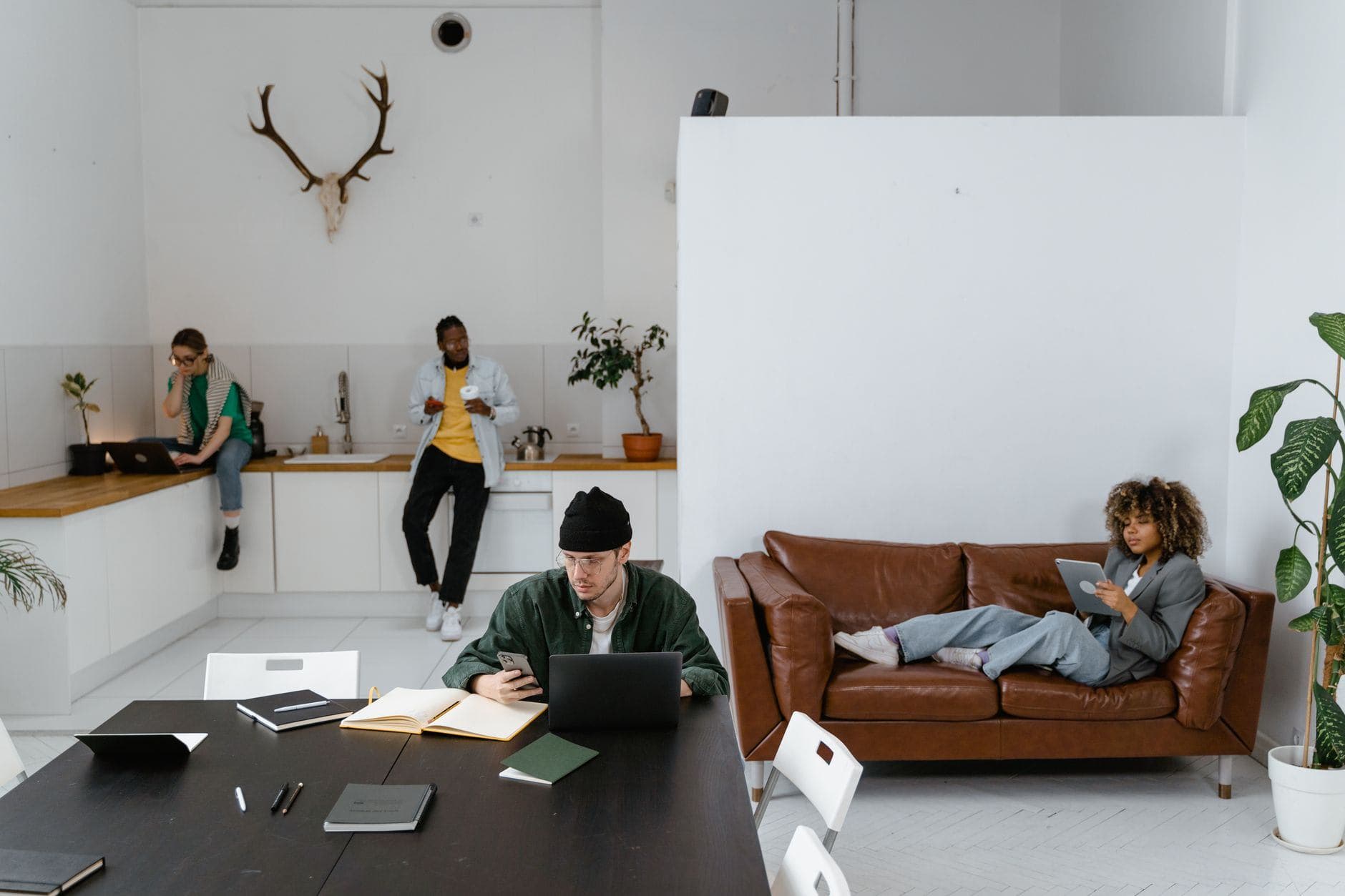
The Rise of Flexible Working in the UK
Hybrid and flexible working are now a normal part of working life across the UK. As businesses continue to rethink how and where people work, demand for flexible office space is growing. According to Mordor Intelligence, the UK flexible office market is expected to grow at a compound annual growth rate (CAGR) of 9.15% between 2026 and 2031, supported by the continued shift towards hybrid working and changing workplace strategies.
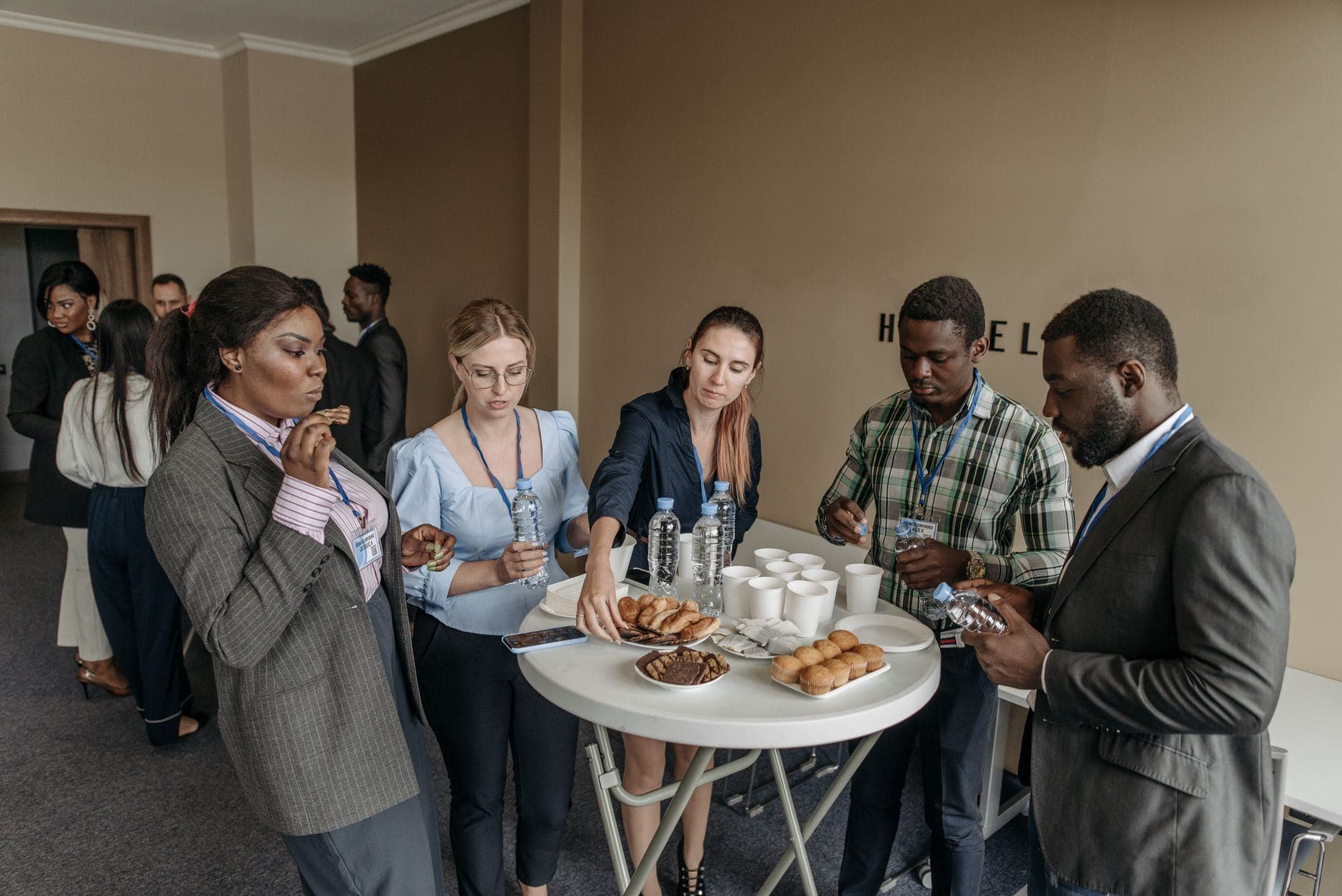
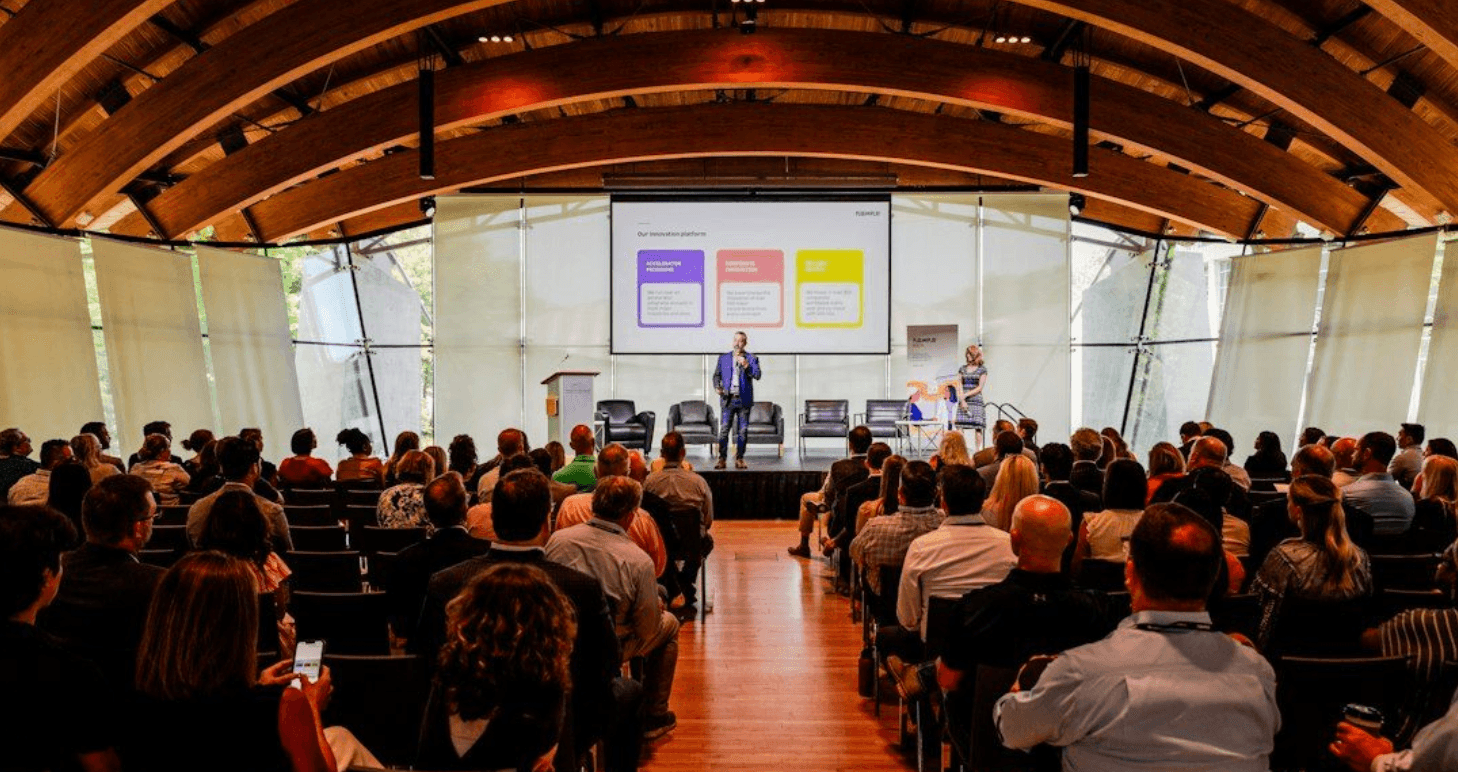
Rather than relying on one permanent office for every activity, many organisations are choosing different spaces depending on their needs. Team meetings, workshops, training sessions and client events may all take place in different venues, with flexibility becoming just as important as location.
For workspace operators, this means the way spaces are marketed also needs to evolve. Good transport links and quality facilities still matter, but they are no longer enough on their own. Businesses want spaces that help them bring people together, reflect their brand and create a positive experience. As competition increases, the value of a workspace is defined not only by what it offers, but by how people feel when they use it.
How Hybrid Working Is Changing Workspace Branding
As more people enjoy the flexibility to work from different locations, workspace operators are having to think differently about how they attract customers. It's no longer just about offering a convenient location, competitive pricing or available dates. Increasingly, people are choosing spaces based on the overall experience they provide and whether they suit the purpose of the booking.
This is changing the way workspaces are presented and marketed. A well-designed interior still makes a strong first impression, but it's only one part of the picture. People also want spaces that are comfortable, practical and easy to use, whether they're hosting a team meeting, running a workshop or welcoming clients. The venues that stand out are those that make every stage of the experience feel straightforward, from booking through to the event itself.
Experience Is Becoming the Brand
For workspace operators, branding is no longer just about logos, colours or interior design. It's about creating a space that people enjoy using and want to return to.
Everything plays a part in that experience, from reliable facilities and flexible layouts to a convenient location and a friendly welcome. With more choice than ever, businesses can easily compare venues offering similar prices and facilities. What often makes the difference is how well a space supports the people using it.
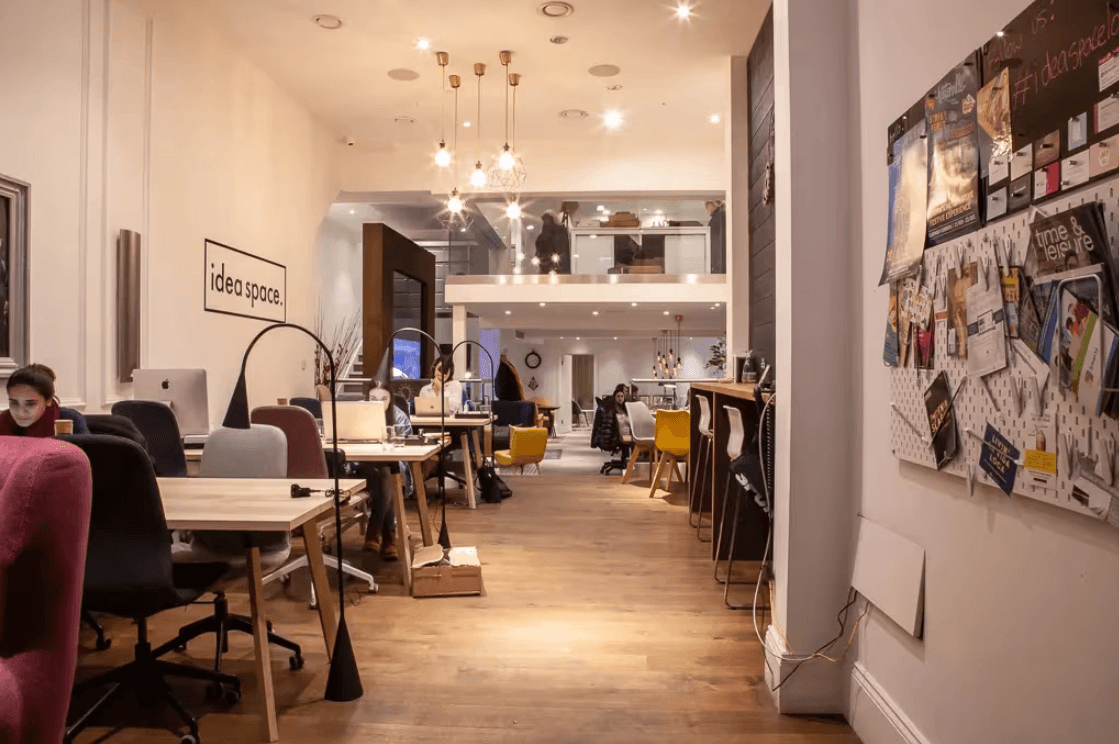
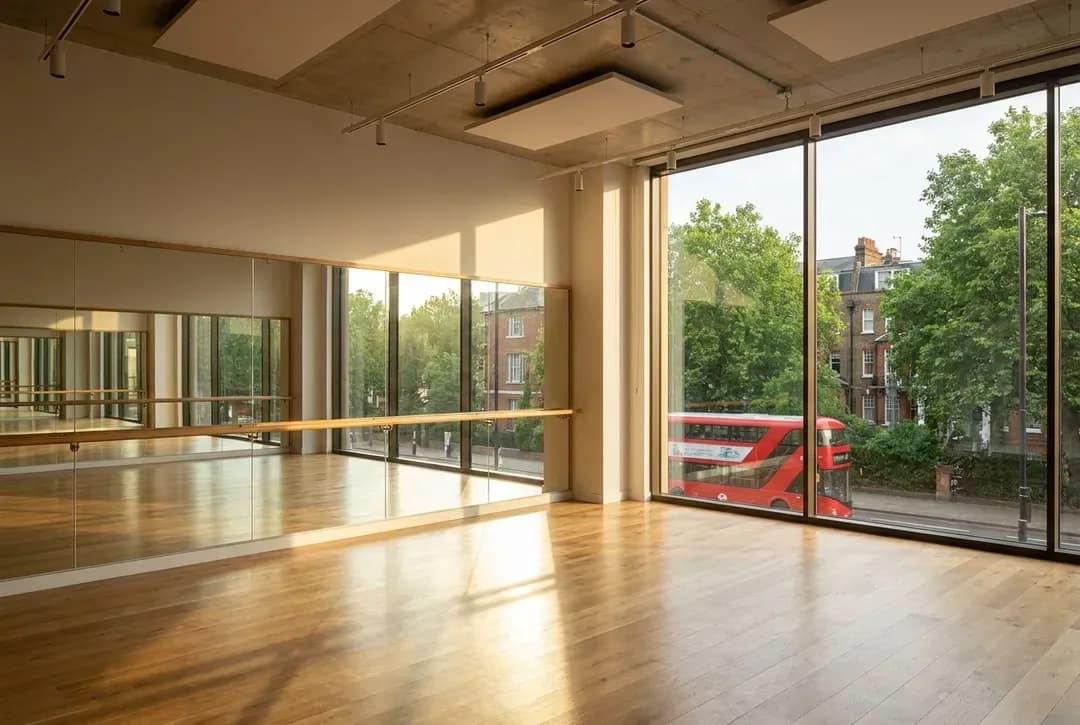
The strongest workspaces are designed with their audience in mind. Whether it's a meeting room that encourages collaboration, a training venue that's simple to set up, or a workspace where people can focus without distractions, small details often have the biggest impact.
A great experience doesn't end when the booking finishes. People remember venues that are easy to book, easy to use and help them achieve what they came to do. That's why, for many workspace operators, the experience they provide is becoming just as important as the space itself.
SpaceBiz: Connecting the Right Spaces with the Right Users
This shift is also changing how workspaces are discovered and booked. As businesses and professionals seek spaces that match their specific goals and ways of working, visibility and accessibility have become increasingly important for workspace operators.
Platforms such as SpaceBiz are emerging in response to these changing workplace dynamics. Combining AI-powered recommendations with concierge expertise, SpaceBiz helps connect businesses with meeting rooms, offices, training venues and event spaces tailored to their needs. As businesses place greater value on experience as well as practicality, being able to reach the right audience and highlight what makes a space unique has become a real competitive advantage for workspace operators.
Frequently Asked Questions
How has flexible working changed what businesses look for in an office?
The desirability of an office is no longer based on aesthetics alone. Businesses are placing greater importance on the overall experience, including spaces that support collaboration, comfortable breakout areas and flexible layouts that suit different ways of working.
What is the biggest change in workplace branding?
The shift is from how a workspace looks to how it is used. Workplace branding now focuses on showing how a space supports productivity, collaboration and employee wellbeing, rather than relying on design alone.
How can businesses find spaces that match their needs?
Platforms like SpaceBiz help businesses find and book spaces that match their needs. Whether it's a meeting room, training venue or event space, businesses can quickly find options that suit the purpose of their booking.
Why is flexibility in choosing a workspace becoming more important?
Flexibility is becoming more important because businesses need to respond to changing priorities and different ways of working. Rather than relying on one office for everything, many organisations are choosing spaces that best suit each meeting, project or event.